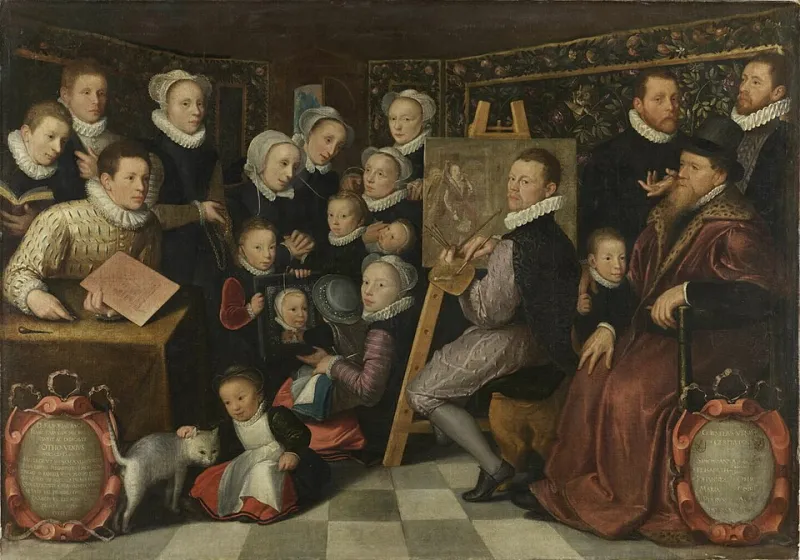
Why Doing Nothing Might Be the Most Creative Thing You Do All Day
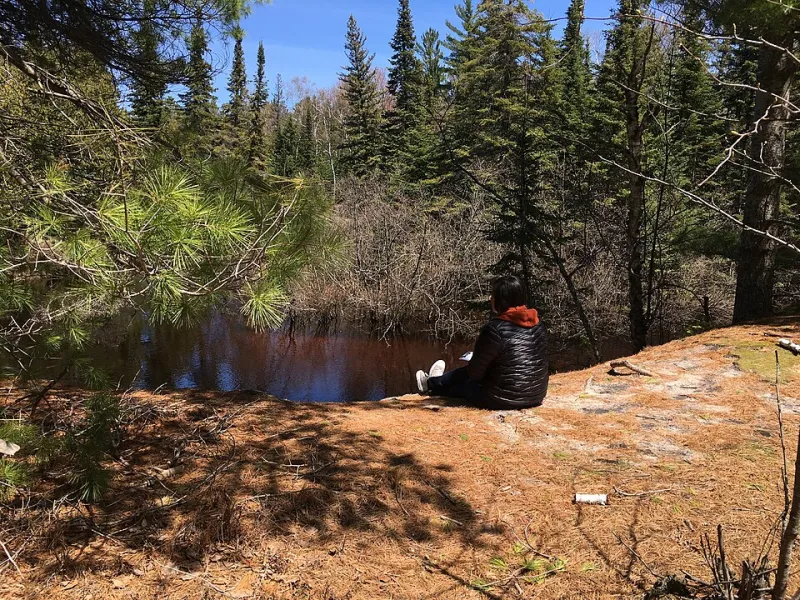
Photo: NPS, Public domain, via Wikimedia Commons
The Hustle Myth Nobody Wants to Admit Is Broken
There's this story we tell ourselves in creative culture — especially here in the US, where productivity is practically a personality type. The story goes: the more you consume, the more you create. Follow the right accounts, absorb the right references, stay plugged into every trend, and inspiration will show up on command.
Except it doesn't. Not really.
If you've ever sat down to make something after a full day of scrolling, watching, listening, and absorbing, you know the feeling. Your brain feels like a browser with forty-seven tabs open. You're technically full of input, but nothing comes out. The creative well isn't dry — it's just completely overwhelmed.
That's not a motivation problem. That's an overstimulation problem. And fixing it might require doing something that feels almost embarrassing in 2024: nothing.
What Actually Happens When You Get Bored
Neuroscience has been quietly making the case for boredom for years. When your brain isn't actively processing external stimuli, it shifts into what researchers call the default mode network — basically the mental state where your mind starts connecting dots you didn't even know existed. It's where daydreaming lives. And daydreaming, it turns out, is where a lot of the good stuff comes from.
This is why your best ideas seem to show up in the shower, on a long drive, or right before you fall asleep. You're not doing anything particularly interesting in those moments. That's kind of the point. Your brain finally has room to breathe, and it starts making connections that focused, stimulated thinking never would have found.
The problem is that modern creative life has systematically eliminated those gaps. Every idle moment gets filled — a podcast in your ears, a feed on your phone, a show running in the background. We've become genuinely uncomfortable with unstructured mental space, and we're paying for it in creative output.
The Artists Who Figured This Out First
Look at the working habits of creators who've built something lasting, and you'll notice a pattern. They protect their emptiness.
Stephen King famously walks every day without headphones. He's said the walk is where the ideas come to him — not the desk. David Lynch has been meditating twice a day for decades, and he's described the creative ideas that surface during that stillness as fish rising from deep water. You don't chase the fish. You sit quietly and let them come up.
Visual artists do this too. Many painters and designers deliberately build what they call "fallow periods" into their schedules — stretches of time where they're not making anything, not looking at other people's work, and not trying to be inspired. They treat it the same way a farmer treats letting a field rest. You don't plant something every single season if you want the soil to stay rich.
This isn't laziness dressed up in philosophical language. It's a genuine creative strategy that takes discipline to actually practice.
Why Trend-Chasing Is Quietly Killing Your Voice
Here's the part that stings a little. When you're constantly consuming — especially other people's creative work — you're not just filling up mental space. You're also subtly calibrating your instincts toward what already exists.
You see what's working for other creators. You absorb the aesthetics, the formats, the rhythms. And then when you sit down to make something, your brain reaches for those familiar shapes without you even realizing it. The result feels inspired but somehow generic. Technically polished but weirdly hollow.
Authentic creative voice doesn't come from synthesizing what's trending. It comes from somewhere quieter and more personal than that. It comes from your actual experience, your actual perspective, your actual weird little preoccupations — the stuff that surfaces when you're not trying to be interesting.
The irony is brutal: the harder you chase relevance, the more interchangeable you become. The creators who feel genuinely distinct are almost always the ones who've spent time alone with their own thoughts, away from the noise.
Practical Ways to Cultivate Strategic Emptiness
This doesn't mean you have to go live off the grid or swear off Instagram forever. It means building deliberate pockets of understimulation into your creative life. A few things that actually work:
Take walks without audio. Seriously. Leave the podcast at home. Let your mind wander without a destination. It feels awkward for the first few minutes and then something loosens up.
Create input-free mornings. Before you check anything — email, social media, news — spend even twenty minutes in your own headspace. Journal, sketch, stare out the window. Give your brain first dibs on itself before the external world starts crowding in.
Schedule boredom like it's a meeting. Block time on your calendar that has no agenda. No project, no goal, no productive outcome. Just unstructured time. This is genuinely hard if you're wired for output, but it pays off in ways that are difficult to quantify and impossible to ignore.
Do something repetitive and manual. Cook. Clean. Do yard work. Activities that occupy your hands but not your mind create a kind of moving meditation that's surprisingly generative. Some of the best creative problem-solving happens while you're washing dishes.
Deliberately delay your response to trends. When something new blows up in your space, resist the urge to immediately engage with it. Let it sit for a week. See what you actually think about it once the initial hype has cooled. Your reaction from that more grounded place will be more authentically yours.
The Uncomfortable Truth About Creative Breakthroughs
Nobody wants to hear that the key to better creative work might be less effort, not more. It runs against everything we've been taught about ambition and hustle and staying ahead of the curve. But the evidence — both scientific and anecdotal — keeps pointing in the same direction.
The ideas worth having don't usually show up when you're grinding. They show up in the gaps. They require a kind of mental quiet that our culture actively discourages, which is exactly why cultivating it is such a competitive advantage.
Boredom isn't the enemy of creativity. It's the incubator. And learning to sit with it — to actually tolerate the discomfort of an unstimulated mind — might be the most sophisticated creative skill you can develop.
So the next time you find yourself staring out a window with nothing in particular going on, don't reach for your phone. Stay there a little longer. Something interesting is probably on its way up.